Laundry appliances
Front-load and top-load washing machines use the washing machine choice. Add the dryer separately. Contact us about a single combined laundry unit or a stack that still needs separating.
The old fridge, washer or dryer, off your list and gone from the curb. See your exact price, book by 2pm for same-day pickup and get updates along the way.
400+ reviewsacross Google & TrustpilotFirst item / additional item
Book by 2pm for same-day pickup.
Choose items or browse the full catalog.
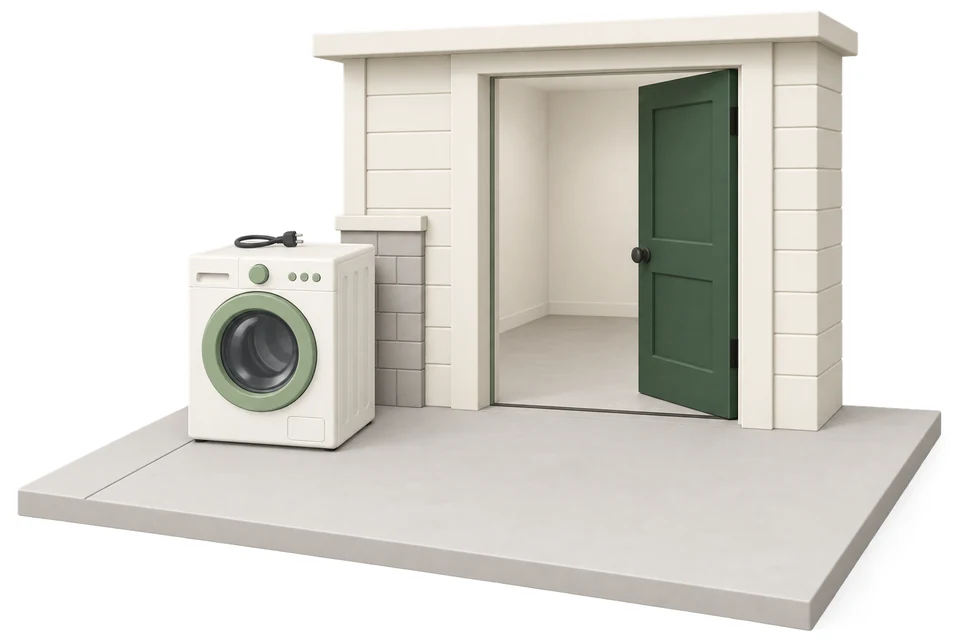
The old one has a way out
A replacement is on its way. A broken washer is taking up space. Or the old fridge is the last thing left before a move. Give that appliance its own pickup plan, with a price you can see and a day you can choose.
Choose the unit you have and see its price online. Add a washer and dryer separately to see the total for both.
Book by 2pm local time for same-day pickup, where available, or choose a future date at checkout.
Get a confirmation, a text before arrival and pickup photos when it is done. Follow along on your pickup page.
Choose the appliance you have
Every appliance has its own catalog choice and price. Add only the items you want taken away, then review the exact total before booking.
Front-load and top-load washing machines use the washing machine choice. Add the dryer separately. Contact us about a single combined laundry unit or a stack that still needs separating.
Choose Refrigerator for a full-size household fridge. Mini fridges and separate freezers have their own choices. Contact us first if the model or refrigerant needs checking.
Stoves, dishwashers and microwaves are available in All appliances. Built-in units must already be detached and outside. Send a photo if your appliance does not match a listed choice.
First item / additional item
The highest first-item price applies once. Every remaining item uses its additional-item price. Loading, transportation and disposal are included. Applicable sales tax is shown before payment.
Choose my itemsReady for pickup
We handle loading and haul-away from your accessible outdoor spot. Arrange any indoor carrying, uninstallation and utility disconnection before pickup.
You can book before the appliance is outside. Plan the disconnection and move first, then have it ready by the time shown for your pickup.
Text us about your setupHave the appliance safely disconnected from power, water and gas, as applicable. Use a qualified professional for gas, hardwired or plumbing connections when needed.
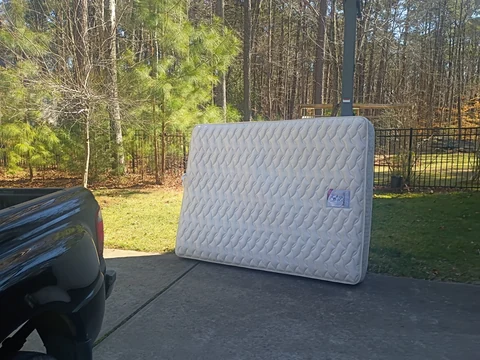
Remove food, clothes and other contents. Have the appliance at an accessible ground-level outdoor spot by your pickup readiness time, with a clear path and permission to use the space.
Add a location photo and a note about the entrance or outdoor area. Keep any appliances that are staying separate from the items you booked.
Confirmation when you book. A heads-up before arrival. Photos when it’s done.
Your confirmation comes straight to your phone.
After the appliance is replaced
A delivery confirmation does not tell you whether the old unit is leaving. Check the removal arrangements while you are planning the replacement.
Find your local guideAsk the retailer what its delivery includes. With Dropcurb, the appliance is already disconnected and outside before pickup. Arrange utility disconnection, uninstallation and indoor carrying separately, using an appropriate professional when needed.
Refrigerators and freezers need an appropriate disposal route. The EPA recommends checking local utility, municipal or retailer options and their requirements. Leave refrigerant handling to an appropriate professional. Send us the model and label if you need the appliance confirmed before booking.
The old washer or fridge can have its own booking even when a replacement came from somewhere else. Select each unit, see the combined price and choose a date shown at checkout. Updates and pickup photos keep you informed through collection.
At your address
Dropcurb serves 49 states and Washington, DC, excluding New Jersey, through local service providers. You can book even if your city is not listed. These guides cover outdoor pickup and local collection resources; checkout shows available pickup dates for your address.
Customer reviews
Selected customer reviews. Counts checked September 2026.
Before you book
Appliance removal, from choosing your item to pickup day.
A household refrigerator is $109 as a single item, a washing machine is $109, and a dryer is $109. Choose the matching appliances and quantities to see your combined price. Loading, transportation and disposal are included. Review the total and any applicable tax before payment.
Add one Washing machine and one Dryer for two separate units, even if you bought them as a set. Contact us first for a single combined unit or a setup that still needs unstacking. Have the booked appliances disconnected and outside before pickup.
The appliance must already be disconnected, removed from any installation and accessible outside at ground level. Arrange gas, hardwired electrical or plumbing work with a qualified professional when needed. Dropcurb loads and hauls away the prepared appliance from your outdoor pickup spot.
Yes. Dropcurb removal can be booked on its own. Choose the old appliance and an available pickup day, then arrange disconnection and the move outside. If the new delivery has not happened yet, confirm the retailer’s removal scope first so you book only what is still needed.
Choose the appliance type that matches your unit; mini fridges and separate freezers have their own choices. Send the model and refrigerant label if you are unsure about handling or eligibility. Do not attempt to remove refrigerant yourself. Preparation for pickup is separate from refrigerant processing at disposal.
Book by 2pm at your pickup address for same-day pickup and choose from the dates shown at checkout. Have the unit disconnected and accessible outside according to your confirmation. We text you before arrival and provide completion photos. Your booking is for a day rather than an exact arrival appointment.
Check directly with the program serving your address. Appliance acceptance, working-condition requirements, collection arrangements and refrigerant preparation differ. The EPA lists utility, municipal and retailer options to investigate. Dropcurb offers a separate paid outdoor pickup with current item prices shown online.
One less thing on your list
Choose your items, see your exact price and select a pickup day for your address. We keep you updated through the outdoor pickup, with photos afterward.